No products in the cart.
Reading Bullion Product Details Makes Buying Easier

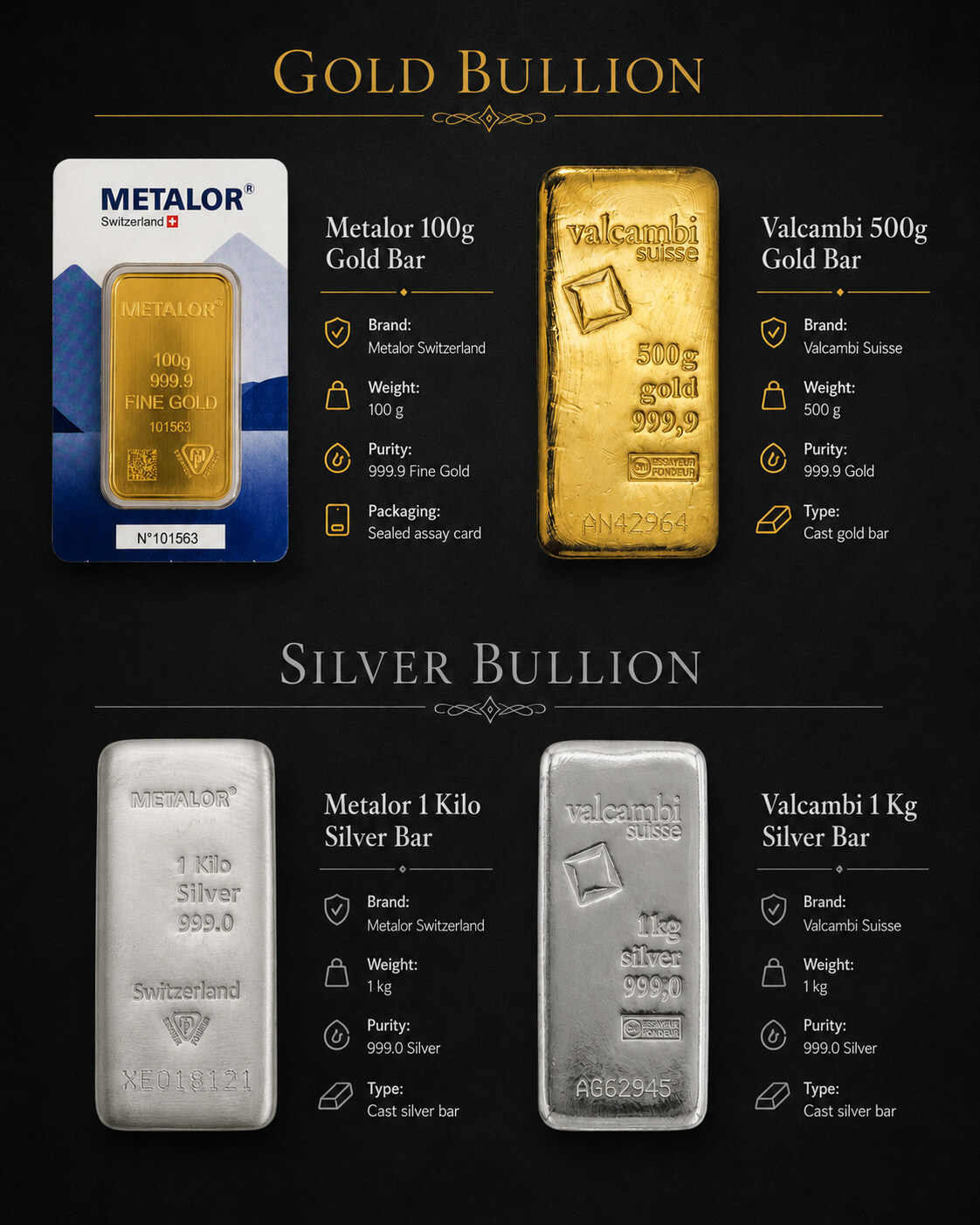
Buying precious metals becomes much easier when buyers know how to read product details. A gold bar, gold coin, or silver bar may look simple at first, but every product page usually contains important information. Weight, purity, refinery, metal type, and format all help the buyer understand what they are purchasing.
For many first-time buyers, the precious metals market can feel unfamiliar. Product names may include grams, ounces, kilograms, refineries, countries, and coin names. These details are not there by accident. They help buyers compare products and choose the option that matches their budget, purpose, and comfort level.
The first detail to look at is the metal type. Buyers should know whether they are viewing gold or silver. This sounds basic, but it matters because each metal serves a different role. Gold is often valued for concentrated worth in a compact form. Silver gives buyers more physical weight and presence. Both can be useful, but they do not feel the same in a collection.
The second detail is weight. Weight tells the buyer how much metal the product contains. Gold bars may be listed in grams or ounces, while larger silver bars may be listed in kilograms. A product such as the 5 Gram Valcambi Swiss Gold Bar clearly tells the buyer that it is a 5 gram gold bar. This makes the product easy to understand before comparing it with larger or smaller options.
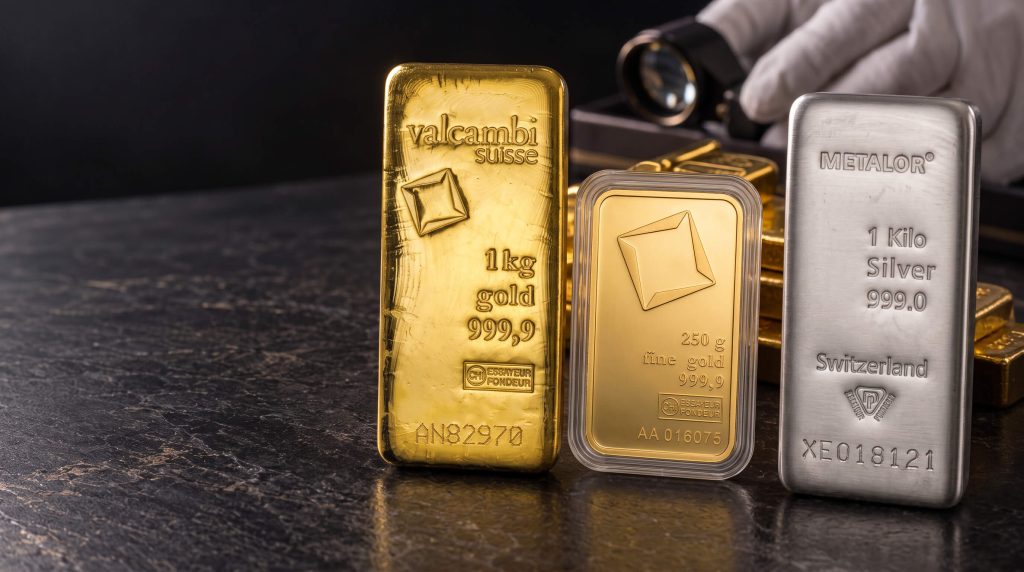
Weight also affects the buying goal. A smaller gram bar may suit someone who wants to begin gradually. A one-ounce gold bar may suit someone who wants a stronger position in physical gold. A one-kilogram silver bar may suit someone who wants more visible metal weight. The right choice depends on what the buyer wants the product to do.
Purity is another important product detail. Precious metal products usually include information about fineness or purity. Investment-grade bullion is often refined to high purity levels. For buyers, purity helps confirm the quality of the metal. A clear product page should make this information easy to find.
The refinery name also matters. Recognized refinery names can add confidence because they help buyers understand where the product comes from. When a buyer sees names such as Valcambi or Metalor, they are not only looking at the metal weight. They are also looking at a product with refinery recognition.
A product such as the 1 oz Metalor Swiss Gold Bar shows how several details work together. The name tells the buyer the weight, the refinery, the country association, and the metal type. This helps users quickly understand that they are looking at a one-ounce Swiss gold bar from Metalor.
Product format is another key point. A bar and a coin can both contain gold, but they do not create the same buying experience. Bars are usually chosen for direct bullion value and simplicity. Coins may carry history, design, and collectible appeal. Buyers should understand whether they want a clean bullion piece or a product with more visual identity.
Category pages can help with this comparison. RM Bullion’s Gold Bars section allows buyers to view gold bar options in one place, while the Gold Coins section helps users explore coin options separately. This makes browsing more organized.
For silver buyers, the same logic applies. Buyers should check the weight, refinery, and product type before deciding. A product such as the 1 Kg Metalor Swiss Silver Bar clearly communicates that it is a one-kilogram silver bar from a recognized refinery. This type of detail helps buyers compare silver products with more confidence.
Another part of reading product details is understanding the product name itself. Many product names already contain the most important information. For example, “1 oz,” “5 gram,” “Swiss,” “Gold Bar,” or “Silver Bar” are not just descriptive words. They tell buyers what the product is, how much it weighs, and what format it comes in.
Buyers should also look at the product image carefully. Images help show the design, packaging, markings, and overall appearance. While images should not be the only source of trust, they can help users understand what they are buying. A clear product image supports a clearer buying experience.
Condition and packaging may also matter, especially for buyers who care about presentation. Some buyers want a piece mainly for ownership and storage. Others may want it as a gift or long-term keepsake. In these cases, how the product is presented can influence the buying decision.
Price is important, but it should not be the only detail. A buyer should avoid choosing only based on the lowest number without understanding the full product. Weight, purity, refinery, and trust all matter. A slightly clearer and more recognizable product may feel better for long-term ownership than a product that leaves questions unanswered.
Storage should also be considered while reading product details. A small gold bar requires little space. A one-ounce gold bar is still compact. A one-kilogram silver bar has more physical presence and needs more storage planning. Product weight helps buyers prepare for safe and practical storage.
Reading product details also helps buyers avoid confusion between similar products. Two bars may both be gold, but they may differ in weight, refinery, or format. Two silver bars may look similar online, but one may be heavier or made by a different refinery. Careful reading helps buyers make cleaner comparisons.
For beginners, the goal should not be to memorize every technical term immediately. The goal is to understand the basics: metal type, weight, purity, refinery, product format, and purpose. Once these points are clear, the buying experience feels less overwhelming.
Experienced buyers also benefit from reviewing details. Even if they already understand precious metals, product availability and pricing can change. A careful review before each purchase helps keep decisions controlled and intentional.
Precious metals are physical assets, so the buying process should feel transparent. Buyers should know exactly what they are purchasing and why it fits their goals. A strong product page helps make that possible, but the buyer also needs to read the details carefully.
At RM Bullion, buyers can browse gold bars, gold coins, and silver bars with clearer understanding once they know how to read product details. The more a buyer understands the product, the more confident the buying decision becomes.
Frequently Asked Questions
What is the first thing to check on a bullion product page?
Buyers should first check the metal type, weight, purity, and product format to understand what they are viewing.
Why does product weight matter?
Weight affects price, storage, flexibility, and the role the product may play in a precious metals collection.
Why is the refinery name important?
A recognized refinery name can add confidence because it helps identify the product source and quality.
Are bars and coins the same?
No. Bars are usually more direct bullion products, while coins may also include history, design, or collectible appeal.
Should buyers choose only based on price?
No. Price matters, but buyers should also review weight, purity, refinery, condition, and trust.
Browse Precious Metals with More Clarity
Compare gold bars, gold coins, and silver bars with product details that help you choose confidently.
Related Articles
Why Refinery Recognition Matters in Physical Bullion
A gold bar is defined by more than its color. A silver bar is defined by...
Read More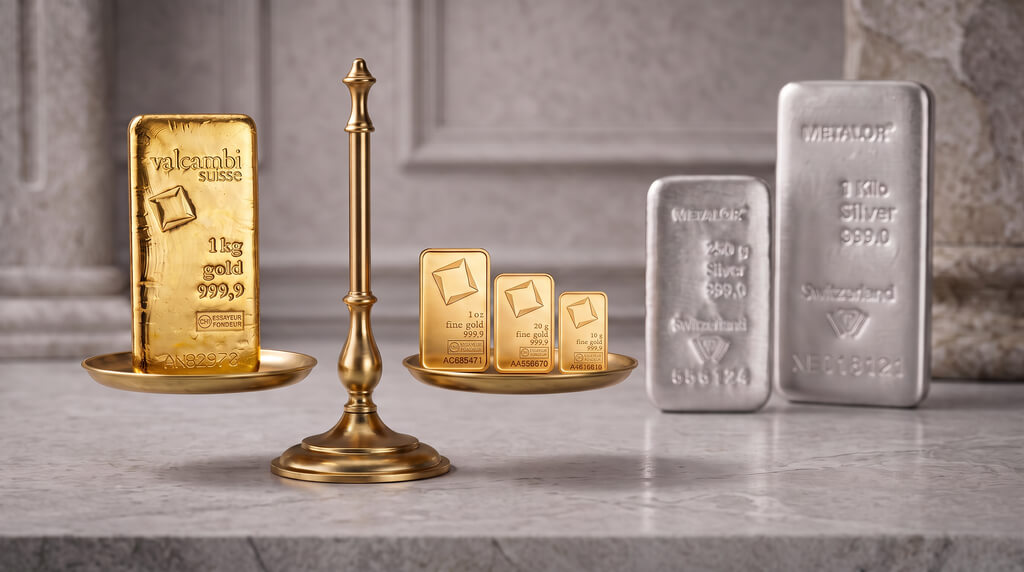
Choosing Bullion Weights for Your Buying Plan
Once a buyer decides to own physical bullion, another decision quickly follows: what weight should they...
Read More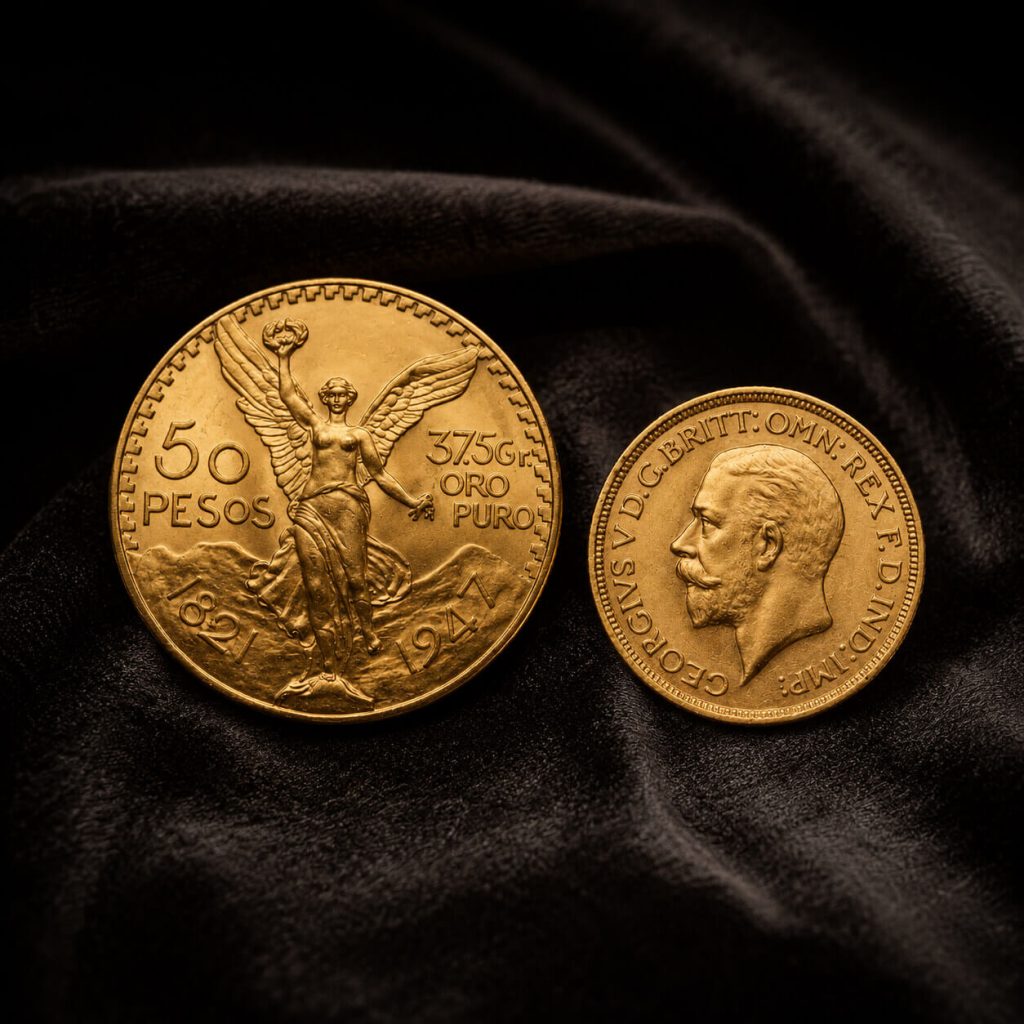
Gold Coins Make Meaningful Long-Term Gifts
A gold coin can feel more meaningful than an ordinary gift. It carries physical value, history,...
Read More